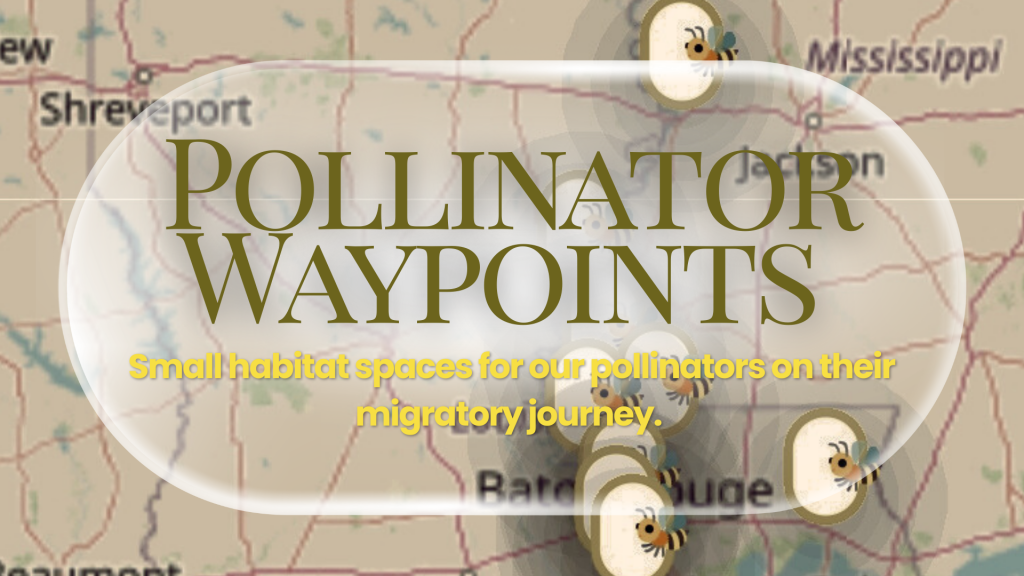
Pollinator Waypoints

Small habitat spaces can become powerful pollinator waypoints when they are connected across the landscape.

If you stand next to a hive on a warm spring morning and watch closely, you start to notice something.

The bees do not leave the hive randomly. They head out with purpose. Within a few minutes, some return carrying pollen packed on their legs. Others come back heavy with nectar. The movement feels constant, organized, and surprisingly focused.

And it raises a simple question:

Where are they finding all of this food?

Most of the time, the answer is not one giant field of flowers. It is a patchwork of small blooming spaces scattered across the landscape. A flowering tree near a parking lot. Blackberry along a fence line. Clover in a field. A patch of native flowers in an overlooked corner.

These small spaces are what we think of as pollinator waypoints.

What is a pollinator waypoint?

When most people think about pollinators, they picture one thing. A hive. A flower. A butterfly in the yard. Maybe a hummingbird at a feeder. But pollinators do not live in one place. They move constantly across the landscape searching for food, water, shelter, and seasonal habitat. A honeybee may travel miles in a day. A hummingbird may follow bloom cycles across regions. Bats fly nightly routes over fields, wetlands, and open land. Pollinators survive not because of one habitat, but because of many habitats connected together. That is the idea behind the Louisiana Pollinator Corridor.
A pollinator corridor is a connected network of habitat that helps pollinators move across the landscape more successfully.

Instead of relying on one isolated garden, one field edge, or one hive location, pollinators benefit from many small habitats working together.

These can include:

• flowering trees
• native plant gardens
• field margins
• pollinator waypoints
• hummingbird-friendly plantings
• bat habitat boxes
• butterfly host plants
• bee-supporting forage areas

When these spaces are spread across farms, neighborhoods, campuses, businesses, and natural areas, they begin to function like a living ecological network.

Why connected habitats matter

Modern landscapes are often fragmented. Pollinators may find one good bloom source, then have to cross long stretches of land with little food or shelter before finding the next one.

That gap matters.

Pollinators need continuity. They need overlapping bloom windows, habitat structure, and safe places to move through the season.

When habitat is disconnected, pollinators work harder for fewer resources. When habitat is connected, the whole landscape begins to function better.

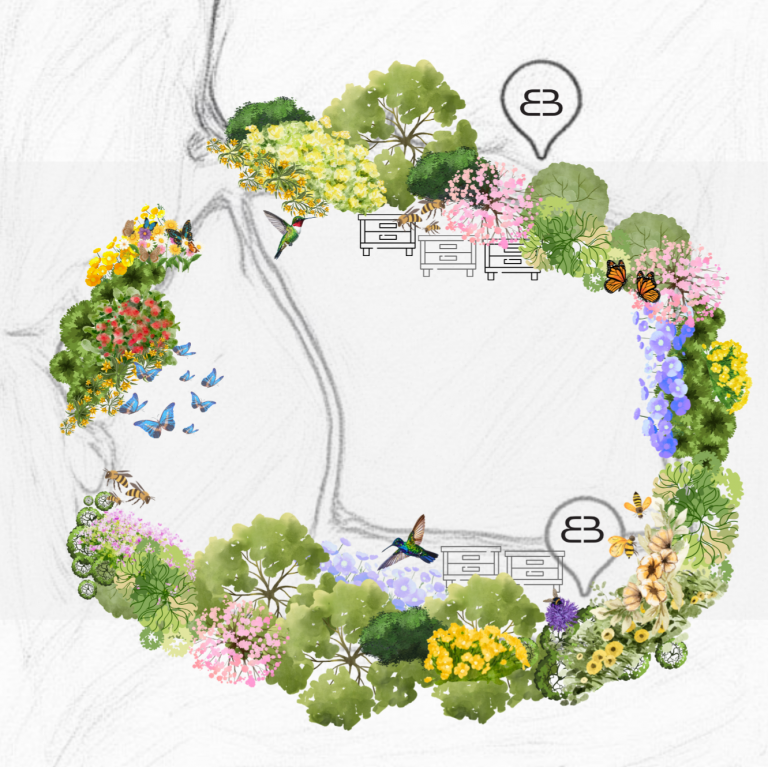
Waypoint Habitat

Landscaping example for waypoint habitats.
In Louisiana

Louisiana offers a unique mix of farms, wetlands, woodlines, roadsides, neighborhoods, industrial land, campuses, and community spaces.

That means pollinator habitat can be built in many different ways.

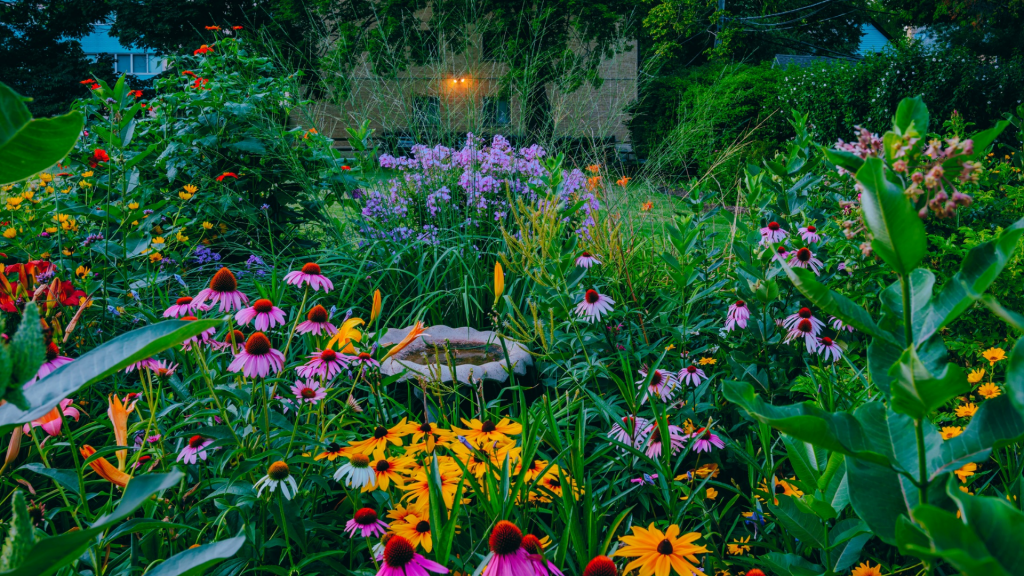
A flowering tree line near a business. Native plant beds at a school. Blackberry along a fence line. Managed hives near seasonal forage. Bat boxes overlooking open land. Hummingbird plants near a courtyard.

None of these spaces has to be huge to matter.

What matters is how they add up.

Practical Ecology

Pollinators depend on access to nectar, pollen, nesting areas, roosting spaces, and seasonal food continuity.

Different pollinators also use the landscape differently.

Honeybees may forage across larger areas. Native bees may stay closer to nesting sites. Hummingbirds follow nectar-rich flowers. Bats move at night and support ecological balance in ways people rarely see.

By increasing habitat diversity and bloom continuity, a corridor gives more species a better chance of finding what they need at the right time.

Why it matters for our land

The Louisiana Pollinator Corridor is about seeing land differently.

It is about recognizing that small spaces matter. It is about treating biodiversity as part of the landscape, not an afterthought.

And it is about building a future where pollinators are supported across farms, businesses, communities, and everyday places.

The goal is not just to create isolated habitat islands. The goal is to connect them into something living, practical, and lasting.

Yes, it is absolutely worth it!

A pollinator corridor is built one space at a time.

That can look like:

• planting diverse flowering species
• creating pollinator garden beds
• installing managed hives where appropriate
• supporting native bee habitat
• adding bat boxes in the right locations
• planting hummingbird nectar sources
• preserving useful wild bloom areas
• reducing unnecessary disturbance during active bloom periods

Each space may seem small on its own. But connected together, they become part of a much larger ecological system.

Pollinators have always moved across landscapes. What changes is whether the landscape still supports that movement well.

The Louisiana Pollinator Corridor is a way of rebuilding that support, one waypoint at a time.

It is practical. It is educational. And over time, it can become something much bigger than any single planting, hive, or habitat feature on its own.

Scroll to Top