
Pollination Services • Habitat Insight • Land Stewardship
Pollination Services Rooted in Beekeeping, Land Health, and Environmental Insight
Biggie Bee Farm provides pollination support and habitat-minded hive placement for farms, gardens, landowners, and science-forward properties across Louisiana. We approach pollination not just as hive placement, but as part of a larger ecological system shaped by forage, seasonality, soils, water movement, and landscape conditions.
Why Pollination Matters
A More Complete View of Pollination
Pollination is not just about dropping hives onto a property. Results are influenced by bloom timing, forage diversity, seasonal stress, nearby land use, water availability, drainage patterns, and the overall condition of the landscape.
Biggie Bee Farm brings practical beekeeping together with a broader land-based perspective — helping clients think beyond “more bees” and toward better ecological fit, stronger pollination outcomes, and more meaningful long-term land value.
Hunting & Fishing Properties: Habitat Pollination Plans
Beekeeping can support more than honey production. On recreational and wildlife-focused land, pollinators can contribute to healthier forage systems, wildflower corridors, pond-edge vegetation, and overall habitat quality.
Habitat Benefits
- Enhanced forage for deer, turkey, and small game
- Support for flowering plants that strengthen wildlife habitat
- Improved pond-edge and shoreline vegetation function
- Stronger wildflower corridors and seasonal nectar flow
Recommended Land Practices
- Reduce broad pesticide pressure where possible
- Plant native and seasonally staggered nectar sources
- Create buffer strips and low-disturbance zones
- Think in terms of habitat networks, not isolated patches
Landscape Position and Exposure
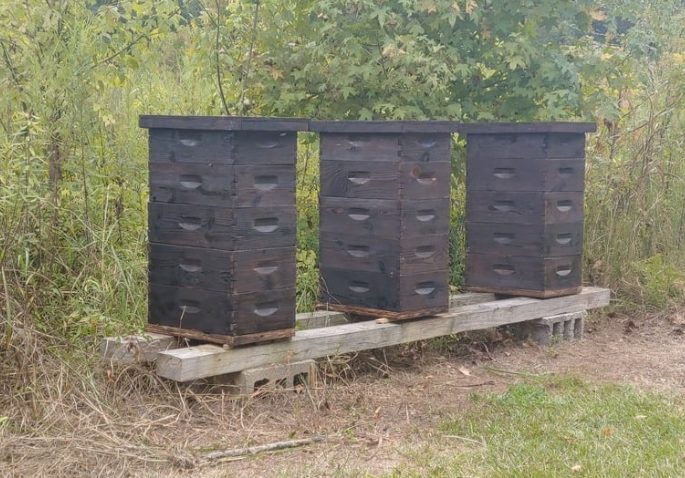
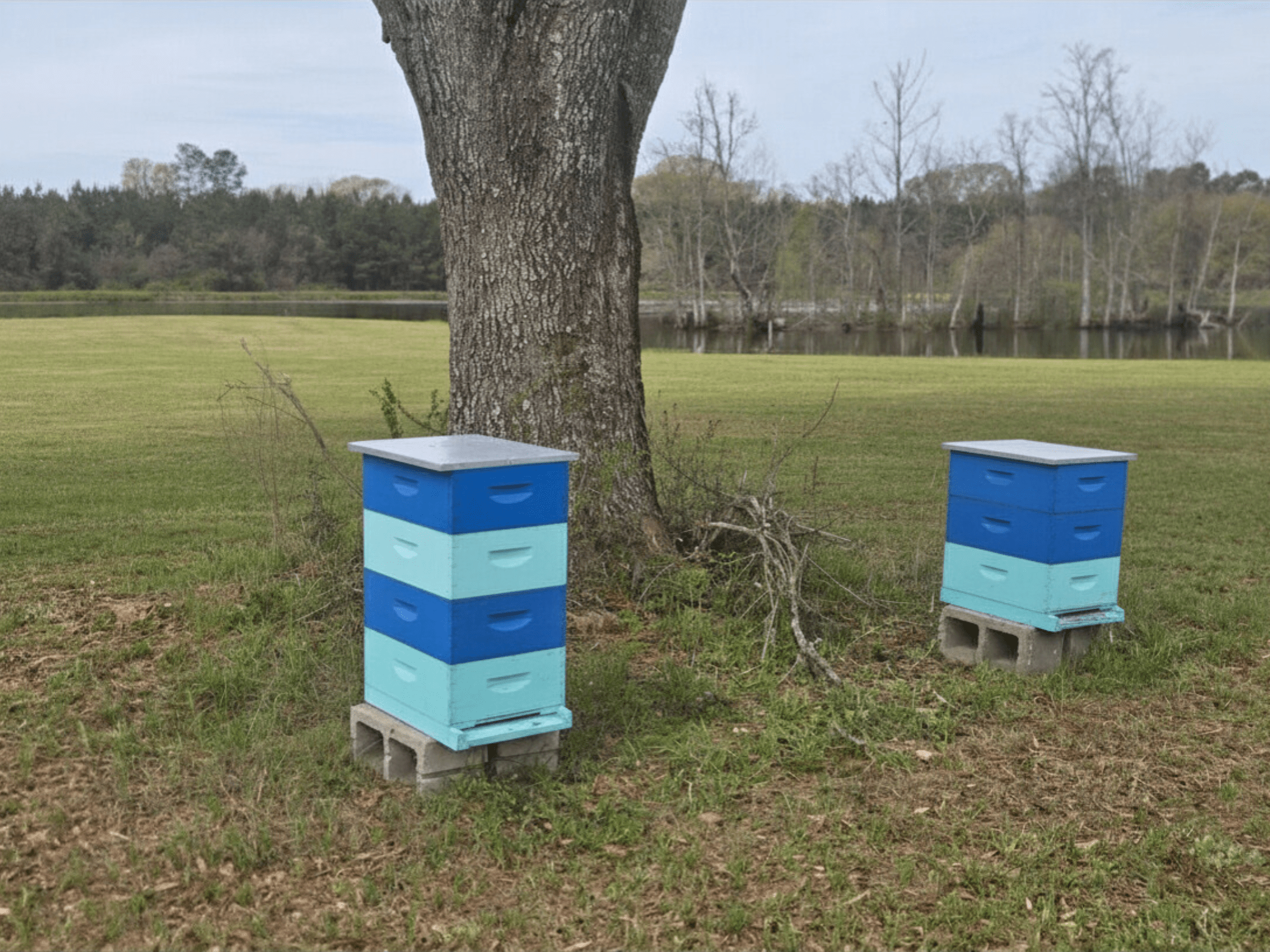
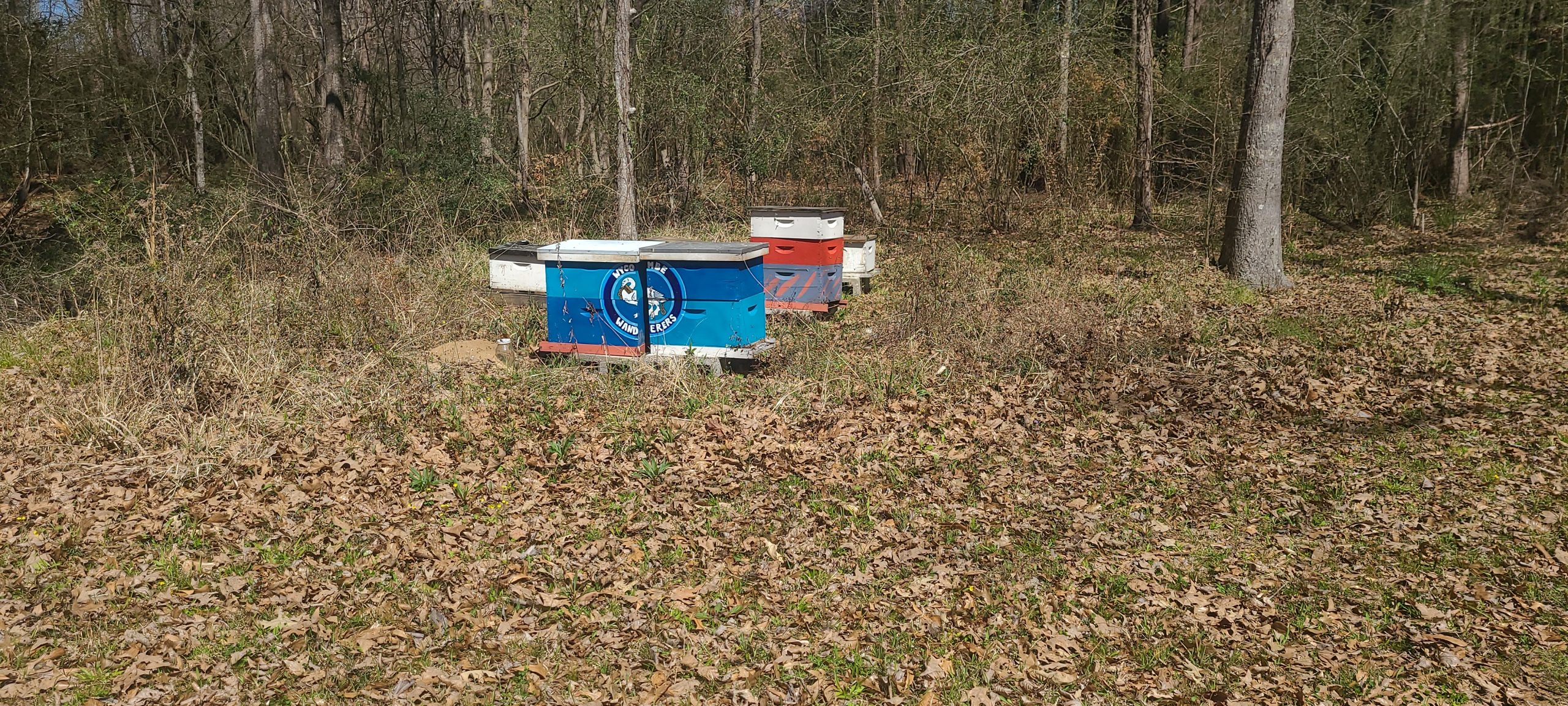
Sun exposure, wind patterns, low areas, edge habitat, and surrounding land uses all affect colony placement and pollination value.
Ecological Function Over Time
The goal is not only to place bees, but to support functional landscapes that feed pollinators and perform better across seasons.
Seasonal Bloom Windows
We consider when forage begins, where bloom gaps appear, and how long productive flowering systems can carry pollinators over time.
Land Use Pressure and Habitat Performance
Management intensity, fragmentation, nearby stressors, and land cover all shape how well a site can support pollinators in Louisiana landscapes.
Where Geology and Beekeeping Connect
Healthy pollination systems depend on more than the hive. They depend on the land supporting it. This is where environmental understanding becomes valuable.
Soils and Vegetation Potential
Soil conditions influence what can grow well, how long forage persists, and how productive flowering systems can become over time.
Drainage and Water Movement
Hydrology shapes plant stress, bloom reliability, and habitat performance — especially in Louisiana landscapes.
Landscape Position and Exposure
Sun exposure, wind patterns, low areas, edge habitat, and surrounding land uses all affect colony placement and pollination value.
Ecological Function Over Time
The goal is not only to place bees, but to support functional landscapes that feed pollinators and perform better across seasons.
What Happens Next
We keep the process simple, practical, and rooted in what your land or project actually needs.
Tell Us About Your Site
Share your goals, property type, acreage, and any known bloom or land-use details.
We Review Fit
We evaluate whether your property, timing, and goals align with pollination support, education, or habitat strategy.
We Recommend the Best Plan
You receive a thoughtful next-step recommendation based on site function, pollinator support, and practical feasibility.
Your Impact, Mapped in Real Time
Track pollinator movement, bloom cycles, and biodiversity zones across Louisiana through our live impact map.
Louisiana “What to Plant” Calendar
Tap a month for what to plant + the hive story behind it — then read the full explanation.
JanuaryStructure Before Flowers
What to plant / do
- Prep beds, edges, and planting zones
- Seed native grasses where appropriate
- Plan bloom succession for spring–fall
Hive + honey flow
- Clustered + conserving; little nectar coming in
- Habitat matters now, not just flowers
Main notes
- Leave stems and leaf litter for overwintering insects
- Think structure and shelter first
FebruaryThe First Fuel
What to plant / do
- Milkweed transplants preferred
- Coneflower, bee balm, liatris corms
Hive + honey flow
- Brood begins ramping; pollen is protein
Main notes
- Early installs root before Louisiana heat
MarchPollinator Ramp-Up
What to plant / do
- Black-eyed Susan, native sunflowers
- Partridge pea direct sow
- Frogfruit plugs for turf replacement
Hive + honey flow
- Foragers surge; brood expands fast
Main notes
- Groundcovers reduce mowing and provide steady nectar
AprilBuild the Layers
What to plant / do
- Passionflower vine on trellis or fence
- Joe-Pye weed in moist areas
- Extra milkweed for habitat stacking
Hive + honey flow
- Strong growth; swarm prep can begin
Main notes
- Vertical diversity supports more species
MayBloom Insurance
What to plant / do
- Bee balm and blue mistflower
- Fill gaps so summer does not go empty
Hive + honey flow
- Peak brood; storage begins if nectar is steady
Main notes
- Continuity beats one big spring bloom
JuneLet the Land Work
What to plant / do
- Mulch and water; avoid heavy new installs
- Patch frogfruit where bare
Hive + honey flow
- Heat management begins; nectar varies by year
Main notes
- Support season is survival season
JulyHeat Strategy
What to plant / do
- Minimal planting; protect established beds
- Let partridge pea and sunflowers carry
Hive + honey flow
- Ventilation and bearding; stress if dearth hits
Main notes
- Resilience over perfection in Louisiana summer
AugustFall Food Starts Now
What to plant / do
- Goldenrod, native asters
- Blue mistflower final strong window
Hive + honey flow
- Often dearth-ish; late planning matters
Main notes
- Fall bloom helps determine winter survival
SeptemberPantry Month
What to plant / do
- Goldenrod and asters as priority
- Native grasses second window
Hive + honey flow
- Building winter bees and reserves
Main notes
- Monarch tie-in: migration fuel blooms
OctoberRoots & Habitat
What to plant / do
- Native grasses; divide perennials
- Expand frogfruit patches
Hive + honey flow
- Brood declines; colonies consolidate
Main notes
- Next spring is decided in October
NovemberDon’t Clean It Up
What to plant / do
- Mulch lightly; leave stems and seed heads
- Stop over-tidying beds
Hive + honey flow
- Small cluster; conserving energy
Main notes
- Messy habitat saves overwintering pollinators
DecemberPlan the Waypoint
What to plant / do
- Plan layout and order seeds or plants
- Map bloom succession from spring through fall
Hive + honey flow
- Rest mode; low activity
Main notes
- Planning month is highest ROI month