When Blackberry Flowers Bloom in Louisiana
Blackberries typically begin blooming in early to mid-spring, depending on weather conditions and location.
Across the Mississippi River corridor of Louisiana, blackberry bloom generally appears between:
• Late March – first flowers begin opening
• Early April – peak bloom period
• Mid-April – nectar and pollen flows are strongest
During this time, blackberry patches can become highly active pollinator hubs.
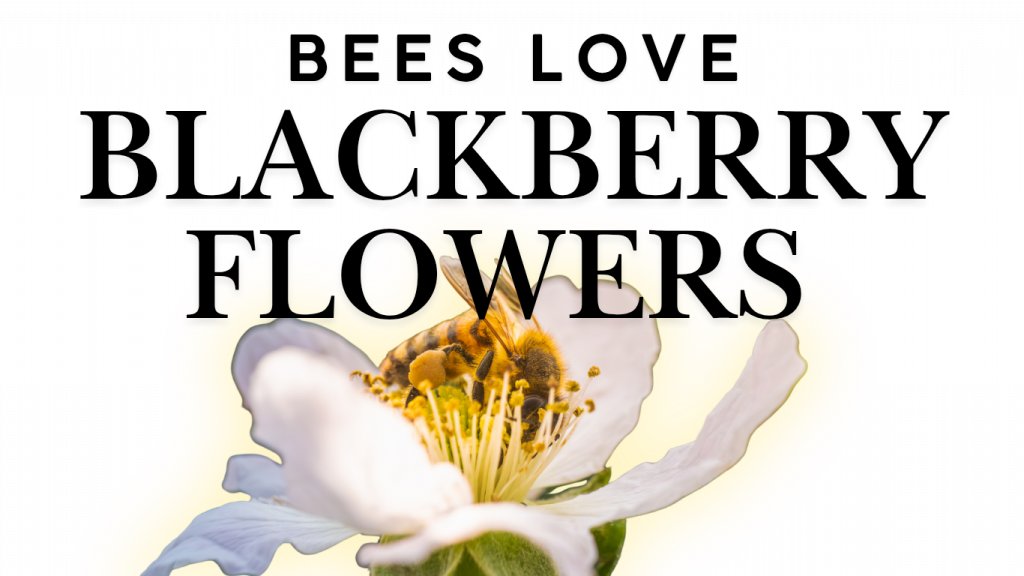
Why Bees Love Blackberry Flowers
Blackberry flowers offer two critical resources for pollinators:
Nectar
The flowers produce sweet nectar that bees collect and convert into honey.
Pollen
Pollen provides essential protein that honey bees use to feed developing brood inside the hive.
Because blackberry plants bloom in dense clusters, pollinators can gather large amounts of nectar and pollen efficiently, moving quickly from flower to flower.
For honey bees, efficient forage sources like blackberry bloom help colonies expand rapidly in spring.
What Pollinators Visit Blackberry Flowers?
While honeybees are often the most visible visitors, blackberry flowers support a wide diversity of pollinators.
Common blackberry pollinators include:
Honey bees
Bumble bees
Native solitary bees
Butterflies
Certain beneficial flies and beetles
These pollinators move pollen between flowers, helping blackberry plants produce healthy fruit.
Without pollination, blackberry yields can drop dramatically.
How Bees Improve Blackberry Production
Bees play a critical role in fruit quality and yield.
When bees visit blackberry flowers:
• More flowers are successfully pollinated
• Berries grow larger and more evenly
• Fruit sets more consistently
In agricultural settings, managed honey bee colonies are often used to improve pollination in berry crops.
Even in wild blackberry patches, pollinators contribute significantly to fruit production.
Blackberry Bloom and Honey Production
For beekeepers, blackberry bloom can also influence honey production.
When conditions are right, blackberry nectar contributes to:
• early spring honey flows
• stronger colony growth
• increased nectar availability before summer blooms
Because bloom timing varies each year, monitoring local plants is an important part of understanding honey production cycles.
A Seasonal Pollinator Observation
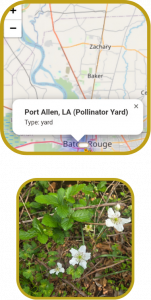
Across the Mississippi River corridor near Port Allen, blackberry bloom is often one of the first signals that pollinator activity is increasing across the landscape.
At Biggie Bee Farm, we frequently observe:
• strong honey bee foraging activity
• native bee diversity in wild patches
• butterflies visiting open flowers
• increased hive traffic during warm afternoons
These seasonal bloom events help connect pollinators to the wider ecosystem around them.
SUPPORTING POLLINATORS IN YOUR LANDSCAPE
Blackberry plants are an excellent resource for pollinators, and allowing native berry patches to grow can help support pollinator populations.
Landowners and gardeners can support pollinators by:
• allowing native blackberry patches to bloom
• planting diverse flowering species
• reducing pesticide exposure during bloom
• supporting pollinator habitat across landscapes
Small changes in how we manage land can create meaningful support for pollinators.
The relationship between bees and blackberry flowers is a reminder that even common plants play an important role in supporting pollinator health.
Each bloom represents a connection between insects, plants, landscapes, and food systems.
At Biggie Bee Farm, observing these seasonal relationships helps us better understand how pollinators move across our region — and how we can support them.