A living network of habitat across our landscape
Louisiana Pollinator Corridor
When most people think about pollinators, they imagine a hive, a garden of flowers, or maybe a butterfly passing through the yard.
But pollinators don’t live in one place. They move constantly across the landscape searching for food, water, and habitat. A honeybee may travel miles in a single day. A hummingbird may follow bloom cycles across entire regions. Bats fly nightly routes hunting insects over fields and wetlands. Pollinators survive not because of one habitat, but because of many small habitats connected together. This is the idea behind the Louisiana Pollinator Corridor. Instead of isolated gardens or just hives, we hope our corridors become a network of pollinator waypoints.
Places where pollinators can stop, feed, and continue their journey across the region. Each waypoint might include:
- honeybee hives
- native flowering plants
- hummingbird nectar plants
- bat habitat boxes
- butterfly host plants
Individually these areas may seem irrelevant.
But together they form living ecological networks that support our pollinators across farms, neighborhoods, businesses, and natural conservation areas. Overtime, these connected habitats will strengthen biodiversity and help restore the natural relationships between plants, insects, animals, and people. As it was and should be.
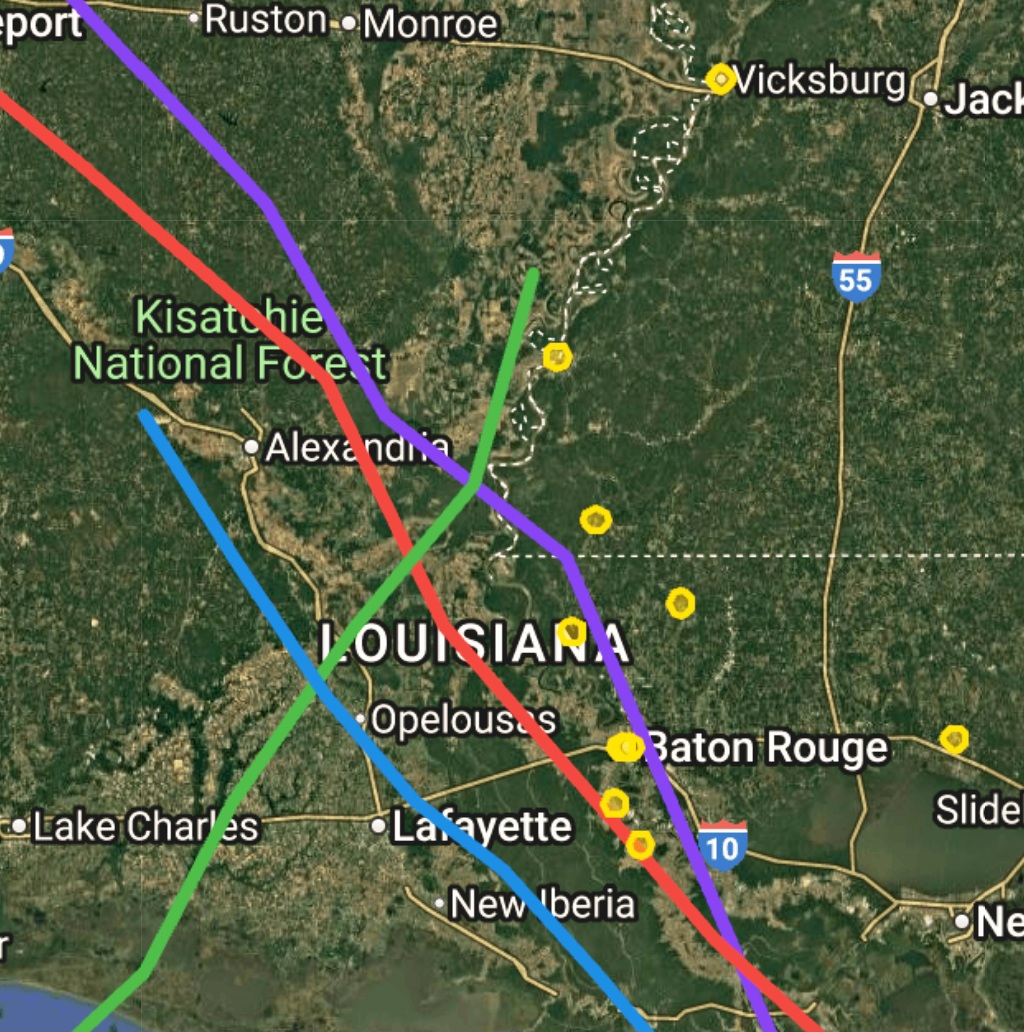
Pollinators That Connect Entire Landscapes

Honeybees are among the most visible pollinators in our ecosystems. A single colony may contain tens of thousands of bees, each leaving the hive daily to collect nectar and pollen from flowering plants.
During peak seasons, one hive can make thousands of pollination trips each day.
As bees move between flowers, they transfer pollen from plant to plant, helping plants reproduce and produce seeds and fruit. Because honeybees travel over large areas, they act as connectors between different habitats. A patch of clover in a field, a flowering tree near a building, and a garden full of native plants may all be part of the same pollination network.
The Quiet Specialists Of Pollination

While honeybees receive much attention, Louisiana is also home to hundreds of species of native bees. Many of these bees live solitary lives, nesting in soil, hollow stems, or small cavities in wood. Unlike honeybees, native bees often specialize in certain plants and may be extremely efficient pollinators.
Some crops and native plants rely heavily on these local bee species. Supporting native bees often requires simple habitat features such as:
• native flowering plants
• undisturbed soil areas
• natural plant stems or bee hotels
These small habitat elements allow native pollinators to thrive alongside honeybees.
Pollinators Of Bright, Nectar-Rich Flowers

Hummingbirds are drawn to flowers that produce abundant nectar. Their long bills and specialized tongues allow them to reach deep inside tubular flowers where nectar is stored. As they move from flower to flower, pollen sticks to their feathers and bills, helping pollinate many plant species.
In Louisiana landscapes, hummingbirds are often seen visiting plants such as:
• trumpet vine
• coral honeysuckle
• salvia
• bee balm
Providing nectar-rich plants or feeders helps support these small but powerful pollinators during migration and breeding seasons.
Nighttime Guardians Of The Ecosystem

While many pollinators work during the day, bats become active after sunset. Several bat species consume enormous quantities of insects each night, including mosquitoes and agricultural pests. A single bat can eat thousands of insects in one evening.
By reducing insect populations, bats indirectly protect crops and support balanced ecosystems. Bat habitat boxes provide safe roosting areas where bat colonies can live and raise their young. These structures are simple but powerful additions to pollinator habitat systems.
Indicators Of Healthy Habitat

Butterflies and other beneficial insects often appear when landscapes contain diverse plant life. Many butterflies require specific host plants for their caterpillars, as well as nectar plants for adults. Examples include:
• milkweed for monarch butterflies
• native wildflowers for nectar
• grasses and shrubs for shelter
When butterflies, bees, and other insects are present in large numbers, it often indicates that an ecosystem is functioning well.
Why Plant Diversity Matters
Pollinators depend on flowers not just for nectar, but for seasonal continuity of food sources.
Different plants bloom at different times throughout the year.
In Louisiana, pollinator plants typically follow a seasonal rhythm:
Late Winter
Willow and early flowering trees provide pollen for bees beginning to raise brood.
Early Spring
Blackberry and clover produce important nectar flows that help colonies expand.
Spring
Trees such as tulip poplar and gallberry provide strong nectar sources.
Summer
Sunflower, soybean, and native wildflowers support pollinator activity.
Fall
Goldenrod and asters provide critical late-season nectar before winter.
By planting species that bloom across multiple seasons, landscapes can provide continuous food sources for pollinators.
This continuity is one of the most important factors in maintaining healthy pollinator populations.
The Louisiana Pollinator Corridor is ultimately about recognizing how connected our landscapes truly are.
Pollinators move constantly between plants, habitats, and ecosystems.
When we create small spaces that support them — gardens, habitat plantings, hives, and nesting areas — those spaces become part of a much larger ecological network.
Over time, these connections help restore balance to the landscapes that support our food systems and natural environments.
Even small actions can become meaningful when they are connected across a region.
And that is the vision behind the Louisiana Pollinator Corridor.
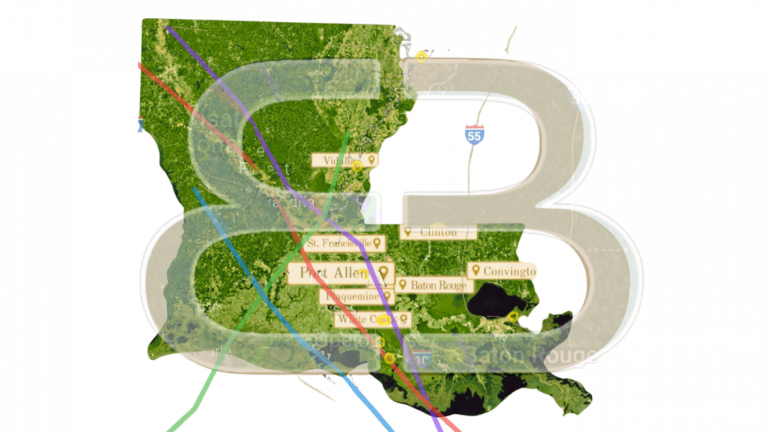
See What’s Blooming in Louisiana
Explore our Pollinator Intelligence Map and track seasonal bloom activity across Louisiana landscapes.
View the Bloom Map